Used, Refurbished, or New Stairlift? The Real Math (2026)
When New Is the Clear Answer
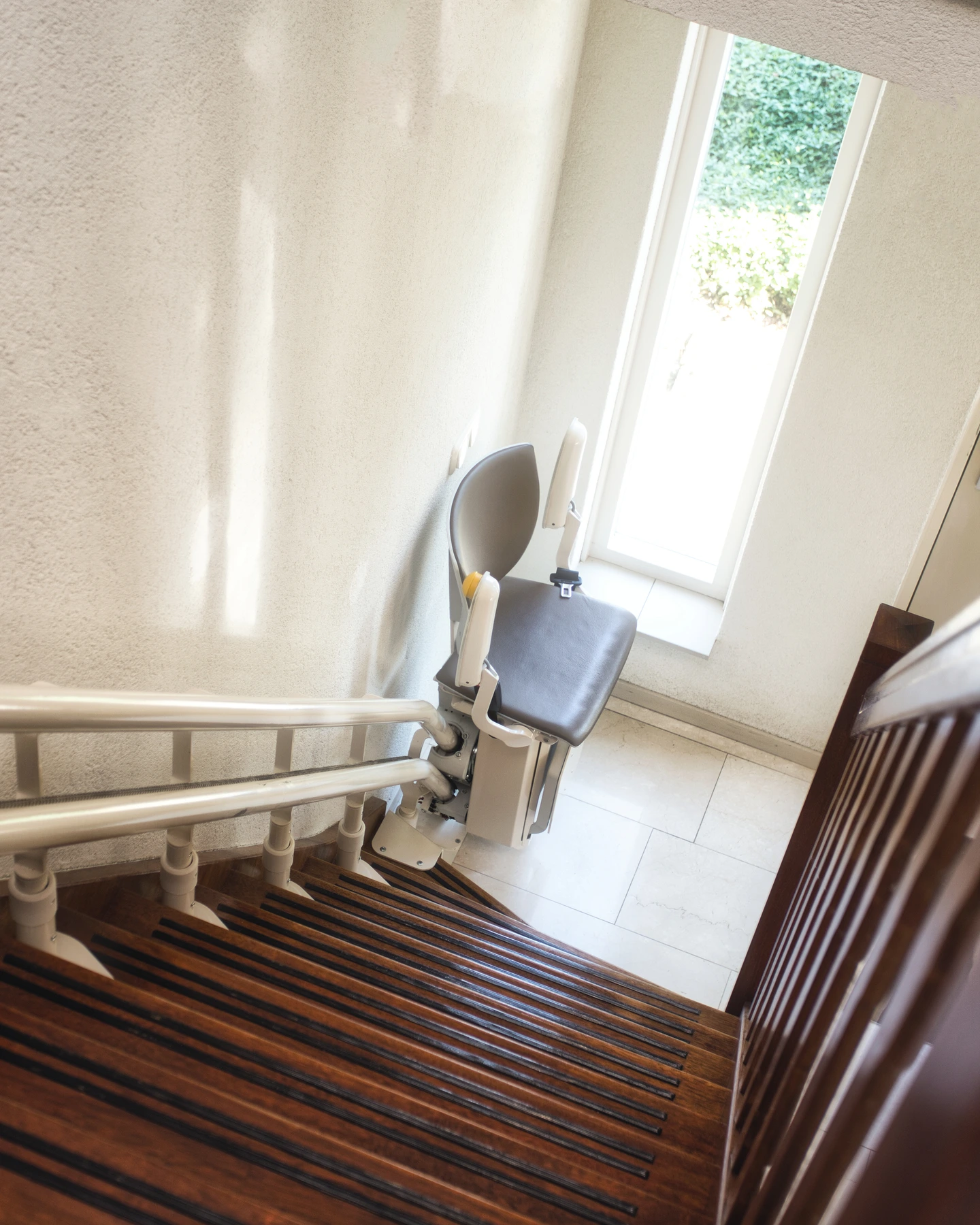
A new stairlift is the right choice when reliability, safety, and warranty coverage matter more than upfront savings. Here is what you get with new that you do not get with used or refurbished.
- Full manufacturer warranty: 2-5 years on motor and electronics, lifetime on rail, 1-2 years on labor
- Current safety standards: Obstruction sensors, seatbelt interlocks, and battery backup that meet 2026 ASME A18.1 requirements
- Higher resale value: A 5-year-old new stairlift resells for $1,500-$2,500. A 5-year-old refurbished unit resells for $500-$1,000
- Full funding eligibility: VA HISA ($6,800), Medicaid waivers, and state grants all cover new equipment without restriction
When Refurbished Makes Financial Sense
A professionally refurbished stairlift saves 25-45% over new. The key word is professionally — refurbished by a licensed dealer, not “gently used” from a stranger on Facebook.
Where refurbished stairlifts actually come from
- Licensed installer buybacks — the installer removed the unit from a previous customer’s home and restored it
- Dealer returns — units returned within warranty periods, inspected, and resold
- Rental fleet rotation — rental units retired after 3-5 years of monitored use
All three sources produce units with known maintenance histories. A private-sale used stairlift has none of this documentation.
What to Verify Before Buying Refurbished
- Battery age and condition: Batteries should be new or under 6 months old. If the dealer is selling with old batteries, negotiate a battery replacement ($150-$300) into the price.
- Warranty terms: A reputable dealer offers 1-2 years on a refurbished unit. If there is no warranty, walk away.
- Safety sensor test: Ask the dealer to demonstrate all safety sensors (obstruction detection, seatbelt interlock, overspeed governor). Test them yourself during the demo.
- Rail condition: Inspect the rail for rust, corrosion, bending, or gear-tooth wear. A damaged rail is not economically repairable — the unit should be rejected.
- Professional installation: Refurbished does not mean DIY. Professional installation ($500-$1,000) includes calibration, safety testing, and proper anchoring. Insist on it.
When Rental Makes Sense (and the Break-Even Math)
Stairlift rental works for temporary needs: post-surgery recovery, short-term caregiving situations, or while waiting for a permanent solution.
What rental actually costs in 2026
- Installation fee: $300-$500 (one-time)
- Monthly rental: $80-$180/month
- Removal fee: $0-$200 (some dealers include removal)
The break-even math, worked out
- Refurbished purchase: $2,200 (average installed price)
- Rental (average): $400 installation + $130/month
- Month 1: Rental: $530. Purchase: $2,200. Rental wins.
- Month 6: Rental: $1,180. Purchase: $2,200. Rental wins.
- Month 12: Rental: $1,960. Purchase: $2,200. Rental wins (barely).
- Month 14: Rental: $2,220. Purchase: $2,200. Break-even.
- Month 17: Rental: $2,610. Purchase: $2,200. Purchase wins by $410.
- Month 24: Rental: $3,520. Purchase: $2,200. Purchase wins by $1,320.
Rule of thumb: If you need the stairlift for under 12 months, rent. Over 14 months, buy. Between 12-14 months, it is a coin flip.
When Buying Used from Craigslist or Facebook Marketplace Makes Sense
Almost never. Here is why:
- No warranty. If the motor fails in month 3, you pay full repair cost ($400-$800).
- Unknown battery condition. Old batteries cost $150-$300 to replace — reducing or eliminating your savings.
- No safety verification. You cannot test obstruction sensors, seatbelt interlocks, or overspeed governors without professional equipment.
- No installation. You need a professional installer ($500-$1,000) who may refuse to install a unit of unknown provenance.
- No funding eligibility. VA, Medicaid, and state programs do not cover private-sale used equipment.
- Liability. If a private-sale stairlift causes injury, there is no manufacturer warranty, no installer liability coverage, and no dealer to hold accountable.
If a family member or friend offers you a stairlift that was professionally installed, is under 5 years old, and you can verify the model/serial number with the manufacturer — it may be worth having a professional assess and reinstall it. Budget $500-$1,000 for removal, transport, reinstallation, and new batteries.
Real 2026 Price Comparison: New vs. Refurbished vs. Rental
| Factor | New | Refurbished | Rental | Private Sale |
|---|---|---|---|---|
| Upfront cost | $2,500–$5,500 | $1,800–$2,800 | $300–$500 | $500–$1,500 |
| Monthly cost | $0 | $0 | $80–$180 | $0 |
| Warranty | 2-5 years | 1-2 years | Included in rental | None |
| Installation | Included | Included | Included | $500-$1,000 extra |
| VA/Medicaid eligible | Yes | Usually | Some programs | No |
| Resale value at year 5 | $1,500–$2,500 | $500–$1,000 | $0 (returned) | $200–$500 |
| Safety verified | Yes | Yes (by dealer) | Yes | Unknown |
Selling Your Old Stairlift — What It Is Actually Worth
- Straight stairlift, under 5 years old: $500-$2,000 (dealer buyback) or $800-$2,500 (private sale)
- Straight stairlift, 5-10 years old: $200-$800 (dealer buyback) or $400-$1,200 (private sale)
- Curved stairlift: Near-zero resale value. Custom rails are home-specific and cannot be reused in another home.
- Stairlift over 10 years old: Most dealers will not buy it. Scrap value only ($50-$100).
Dealer buyback prices are lower than private sale, but the dealer handles removal (saving you $200-$500 in removal costs).
The 4-Question Decision Framework
- Is the need temporary (under 12 months)? Yes = rent. No = buy.
- Is budget the primary constraint? Yes = refurbished (with dealer warranty). No = new.
- Are you eligible for VA or Medicaid funding? Yes = new (funding often covers the full cost, eliminating the price advantage of refurbished).
- Is the stairlift for someone with a progressive condition? Yes = new (you need maximum warranty coverage for the longest possible useful life). See our progressive conditions guide.
Frequently Asked Questions
$1,800-$2,800 installed for a straight stairlift. This is 25-45% less than new. Curved refurbished units are rare because the rail is custom to each home.
Professionally refurbished units from licensed dealers are safe — they are inspected, tested, and warranted. Private-sale used stairlifts from Craigslist or Facebook have unknown safety status and no warranty. We strongly recommend against private-sale purchases.
A well-maintained stairlift lasts 10-15 years regardless of whether it was new or refurbished. The motor, gear rack, and rail are the long-life components. Batteries need replacement every 2-3 years ($150-$300). Annual maintenance ($100-$200) extends life for both new and refurbished units.
At average rental rates, the break-even point is around month 14. After 14 months, total rental cost exceeds the purchase price of a refurbished stairlift. If you expect to need the stairlift for more than a year, buying is the better financial decision.
VA HISA grants ($6,800) typically cover new equipment, but some VA Prosthetics departments approve refurbished units from licensed dealers. Medicaid waivers vary by state — some cover refurbished, others require new. Check with your specific program. The HISA grant often covers a new stairlift entirely, making refurbished unnecessary. See our veteran stairlift guide.
Not Sure Which Option Fits Your Budget?
Tell us your budget, your timeline, and whether the need is temporary or permanent — we will recommend the option that makes the most financial sense. We sell new, refurbished, and rental stairlifts.
Request a free quote — we will include new, refurbished, and rental pricing so you can compare side by side. Also check our warranty guide to understand what coverage comes with each option.
Ready to Get Started?
Free in-home assessment within 24 hours. No pressure, no obligation.