Stairlifts in Rental Properties: Landlord & Tenant Guide
The Legal Framework: Fair Housing Act and Section 504
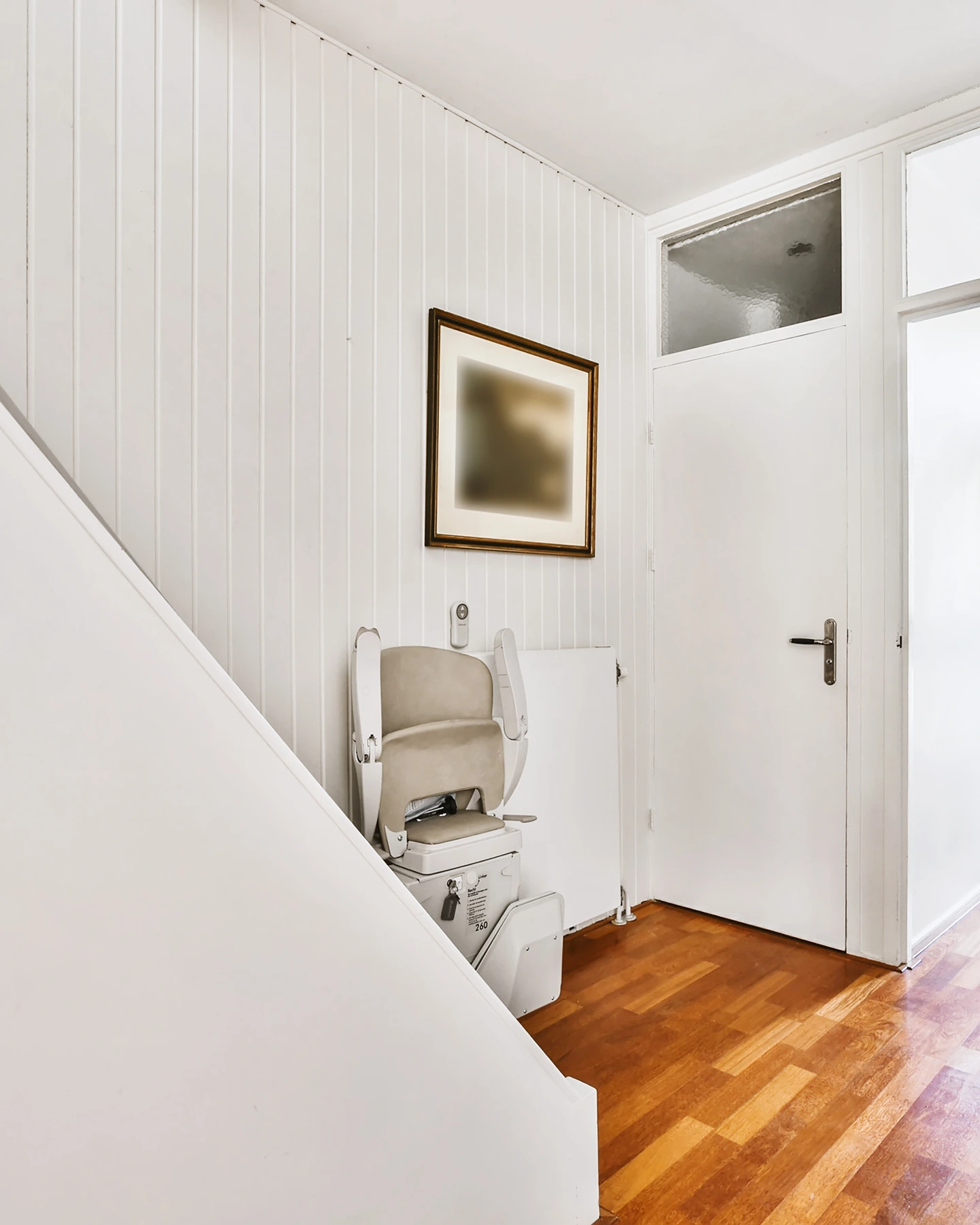
Under federal law, a landlord must allow a tenant with a disability to install a stairlift as a reasonable modification.
The Fair Housing Act (FHA), as Amended in 1988
The FHA prohibits housing discrimination based on disability and specifically permits reasonable modifications at the tenant's expense if necessary for full dwelling enjoyment.
Section 504 of the Rehabilitation Act of 1973
Section 504 applies to federally-assisted housing and requires housing providers to pay for modifications rather than tenants bearing costs.
What Landlords Must Do (and Must Not Do)
What Tenants Are Entitled To
Tenants with disabilities may request modifications at any time during tenancy, have requests evaluated fairly, use licensed installers of their choice, and use the stairlift without interference or penalties.
Who Pays for the Stairlift
| Scenario | Installation Payment | Removal Payment |
|---|---|---|
| Private rental (no federal funds) | Tenant | Tenant (if restoration required) |
| Section 504 property | Landlord | Landlord |
| Public housing authority | Housing authority | Housing authority |
| Section 8 voucher | Tenant | Tenant |
Removal at Move-Out: Who Handles It and Who Pays
Landlords may require restoration to pre-modification condition (reasonable wear excepted), but cannot require restoration if the modification benefits future tenants. Typical removal and repair costs: $300–$700.
Landlords may require interest-bearing escrow accounts with reasonable amounts ($500–$800 for straight rails) to ensure funds are available for restoration at move-out.
The Lease Addendum: What to Include
- Modification description — equipment type, brand, installation location
- Installer qualifications — licensed, bonded, insured
- Cost responsibility — who pays for installation and removal
- Restoration terms — scope of restoration required at move-out
- Maintenance responsibility — tenant handles day-to-day maintenance
- Insurance coverage — liability coverage for the equipment
- Transfer protocol — what happens if tenant moves out
State-by-State Variations
FEHA mirrors FHA, covers source-of-income discrimination, prohibits restoration requirements for modifications benefiting future tenants.
Human Rights Law expands disability definitions beyond federal standard. Additional protections beyond FHA baseline.
Mirrors federal FHA without additional state protections. Follow federal framework.
Follows federal FHA standard. No additional state-level stairlift or accessibility modification provisions.
Human Rights Act parallels FHA with procedural differences. Chicago has separate enforcement through its own human rights commission.
Practical Steps for Both Parties
For Tenants
- Submit written modification request
- Include verification letter from physician, therapist, or social worker
- Obtain written quote from licensed installer
- Check funding sources before paying (Medicaid HCBS, VA HISA, state programs)
- Negotiate lease addendum before installation
For Landlords
- Respond within 30 days
- Do not deny without legal basis
- Request reasonable disability verification (not diagnosis details)
- Require licensed, bonded, insured installer
- Draft lease addendum documenting all terms
- Consider long-term property value — accessible units command premium in aging markets
Frequently Asked Questions
In nearly all cases, no. Under the Fair Housing Act, a landlord must permit a tenant with a disability to make reasonable modifications. Refusal exposes the landlord to HUD complaints and potential legal liability.
In private rentals, tenants typically pay. Section 504 properties (federally-assisted housing) require landlord payment. Public housing authorities pay through their own budgets. Check your specific housing situation.
The landlord may require removal per FHA, but many landlords prefer keeping the stairlift for future tenants. If removal is required, the tenant typically bears the cost ($300–$700 for removal and stair restoration).
Yes, with reasonable amounts tied to actual restoration costs. For a straight-rail stairlift, $500–$800 in an interest-bearing escrow account is considered reasonable. The account must earn interest for the tenant.
FHA applies equally to condos and co-ops. Associations must permit reasonable modifications to unit interiors and common areas, and cannot deny based on aesthetic guidelines. Board approval may be required but cannot be unreasonably withheld.
Related Guides
Ready to Get Started?
Free in-home assessment within 24 hours. No pressure, no obligation.