Stairlifts in Winter: Cold-Weather Preparation Guide
How Cold Affects Stairlift Batteries
Every stairlift runs on rechargeable batteries — even models plugged into an outlet. Cold temperatures reduce battery capacity directly.
At 72°F, a fully charged battery provides 20-30 rides between charges. At 32°F, that drops to 12-20 rides. At 0°F, you may get as few as 8-12 rides. Cold does not damage the battery permanently, but it temporarily reduces available capacity — which matters during power outages when the batteries are not recharging.
Outdoor Stairlifts in Winter
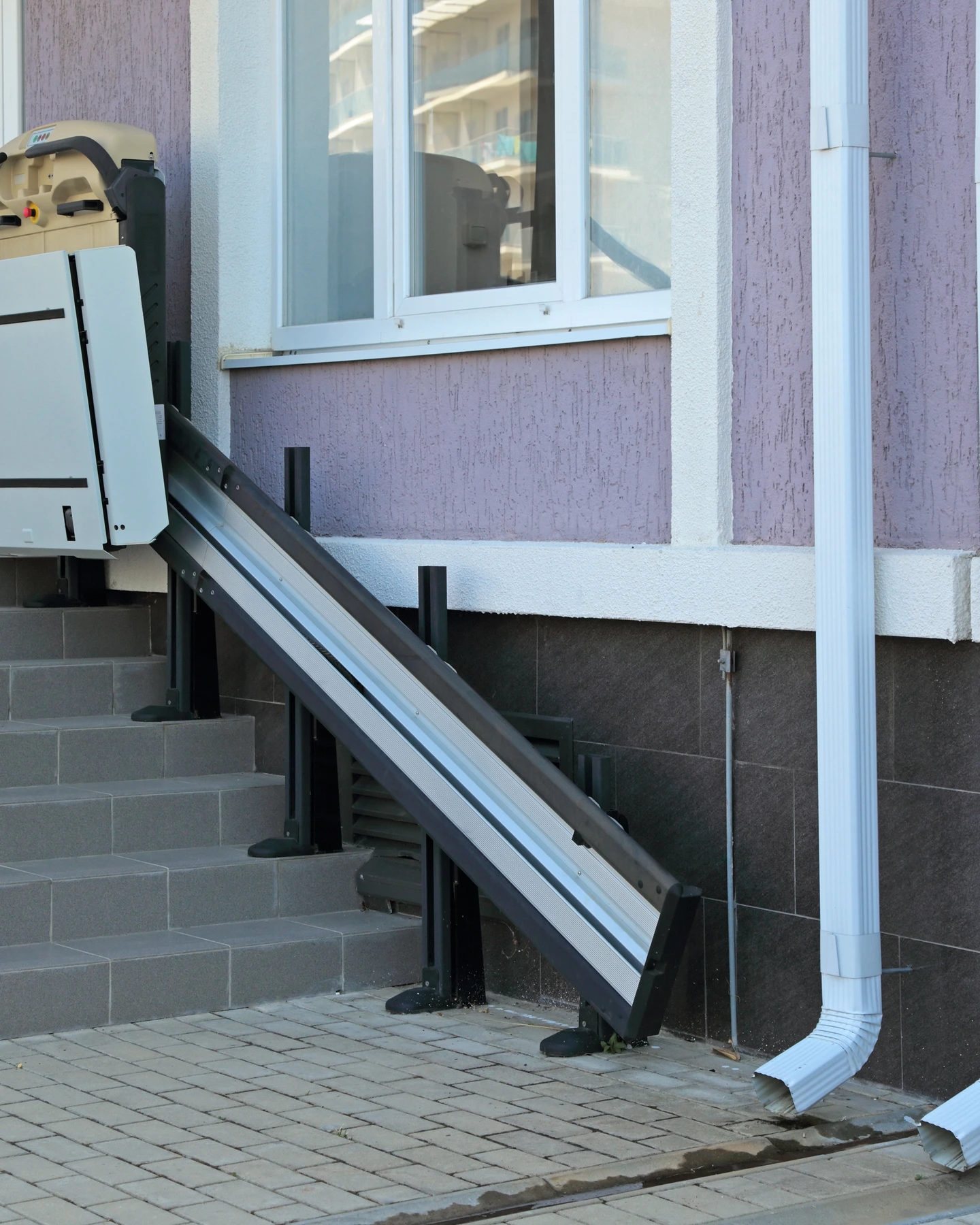
Rail ice and snow
Ice on the rail is the most common winter problem. The stairlift's drive gear cannot grip a frozen rail, causing the unit to stop mid-ride or refuse to start. Solutions:
- Install a weatherproof cover over the rail when the lift is not in use
- Clear snow and ice from the rail before each use (a soft brush, not a scraper)
- Never use salt or chemical de-icers on the rail — they corrode the metal and void the warranty
- Consider a rail heating element (available for some models) in areas with frequent icing
Weatherproof covers
A cover protects the seat, controls, and upper rail section from snow, ice, and moisture. Most covers cost $150-$300 and fit over the parked unit. Use it whenever the lift is not in active use during winter months.
Moisture and corrosion
Freeze-thaw cycles accelerate corrosion on exposed metal components. Outdoor stairlifts use marine-grade coatings, but annual inspection of the rail, brackets, and motor housing is critical before winter. Look for rust spots, peeling paint, and moisture inside the motor cover.
Indoor Stairlifts in Cold Homes
Unheated enclosed porches and mudrooms
If your stairlift's charging station is in an unheated area (enclosed porch, mudroom, breezeway), the batteries charge more slowly in cold temperatures. Slow charging means the batteries may not fully replenish between uses. If possible, relocate the charging point to a heated area of the home.
Garages
Garage-to-house stairlifts face the same cold-charging problem. If the garage is unheated and the stairlift parks there, batteries charge slowly in winter. Insulating the garage or adding a small space heater near the charging station helps.
Homes that go below 55°F
Some seniors lower their thermostat significantly at night or when away. Below 55°F, even indoor stairlifts experience reduced battery performance. The lubricant in the drive gear also thickens in cold air, making the motor work harder and drain batteries faster.
Pre-Winter Maintenance Checklist
Complete this checklist in October (or before the first freeze in your region).
All stairlifts (indoor and outdoor)
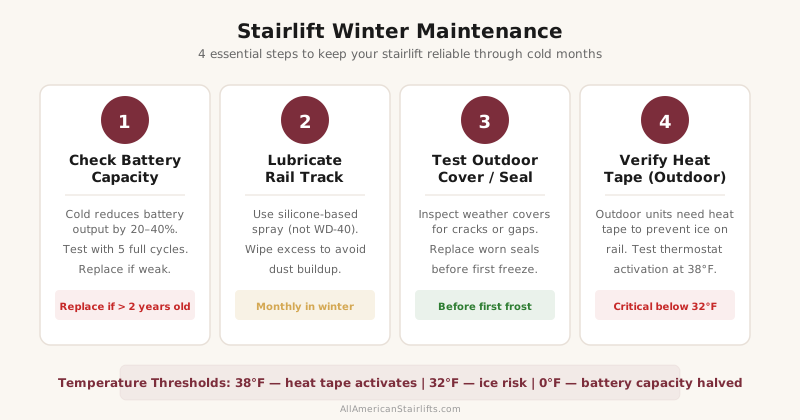
- Check battery age — replace if older than 2 years heading into winter
- Clean the rail with a dry cloth (remove dust, pet hair, debris)
- Apply manufacturer-recommended lubricant to the gear rack (not WD-40)
- Test the lift through a full cycle — listen for unusual noises or hesitation
- Verify the charging station indicator light is solid (not blinking or off)
- Check the seatbelt for wear and proper latching
- Confirm the footrest folds and locks properly
Outdoor stairlifts (additional steps)
- Inspect the rail for rust spots or corrosion — treat with manufacturer-approved touch-up
- Install or check the weatherproof cover
- Ensure drainage around the base of the rail (water pooling leads to ice buildup)
- Stock a soft-bristle brush near the stairlift for pre-use snow clearing
Regional Guidance
Cold season: November-March. Key concern: Nor'easters cause extended power outages. Ensure batteries are fresh heading into winter. Keep a charged backup battery set if you have an outdoor stairlift. Many historic homes have enclosed but unheated porches where stairlifts park — consider adding insulation or a small heater. See our historic homes guide for related considerations.
Cold season: October-April. Key concern: Extended sub-zero temperatures. Battery capacity drops 50%+ below 0°F. Indoor stairlifts in homes with thermostat setbacks are at risk. Outdoor stairlifts should have covers and fresh batteries before October. Schedule professional maintenance in September.
Cold season: September-May (elevation dependent). Key concern: Extreme temperature swings (40°F daytime, -10°F overnight). Freeze-thaw cycles accelerate rail corrosion on outdoor units. The dry air helps prevent moisture damage but increases static buildup — which can affect electronic controls. Regular rail cleaning reduces static interference.
Cold season: November-February (mild temps, high moisture). Key concern: Rain and humidity, not extreme cold. Moisture intrusion is the primary risk for outdoor stairlifts. Ensure covers are waterproof (not just water-resistant). Check electrical connections for corrosion quarterly. Indoor stairlifts are generally unaffected by PNW winters.
Winter Power Outages and Battery Reserve
How many rides you get during an outage
When power goes out, your stairlift runs entirely on battery reserve. At room temperature, a fully charged battery provides 20-30 rides. In a cold house (power out, no heat), that drops to 12-20 rides. Plan for 2-3 rides per day as a safe reserve estimate.
- Limit trips to essential ones (bedroom and bathroom)
- Send the lift to the floor you will sleep on and leave it there
- If the outage will last 24+ hours, consider temporarily living on one floor
- A portable generator can power the charging station — the stairlift draws less than 300 watts
Frequently Asked Questions
Yes, but with reduced battery performance. Indoor stairlifts function normally in heated homes. Outdoor stairlifts are designed for weather exposure but need covers, cleared rails, and fresh batteries in winter. Operation is safe down to -20°F for most outdoor models.
Yes, strongly recommended. A cover prevents snow and ice accumulation on the seat, controls, and upper rail. Costs $150-$300. Use it whenever the lift is parked during winter months.
No. Salt and chemical de-icers corrode the rail and gear rack, voiding the warranty. Use a soft brush to clear ice. If ice is persistent, contact your installer about a rail heating element option.
Yes. All stairlifts run on batteries, not direct power. The outlet charges the batteries; the batteries power the ride. A fully charged set provides 20-30 rides at room temperature. In a cold, unheated house during a winter outage, expect 12-20 rides.
Replace batteries older than 2 years before winter, especially for outdoor stairlifts or homes in cold climates. Fresh batteries cost $150-$300 and provide maximum capacity heading into the season when you need it most.
Schedule Pre-Winter Maintenance
Our annual maintenance visit ($100-$200) covers every item on the checklist above plus a professional inspection of motor, battery health, and safety systems. Schedule in September or October — our calendar fills up before the first freeze.
Request a maintenance visit or explore our ranch homes guide for outdoor stairlift considerations beyond winter.
Ready to Get Started?
Free in-home assessment within 24 hours. No pressure, no obligation.