Home Safety Assessment Checklist for Seniors (2026)
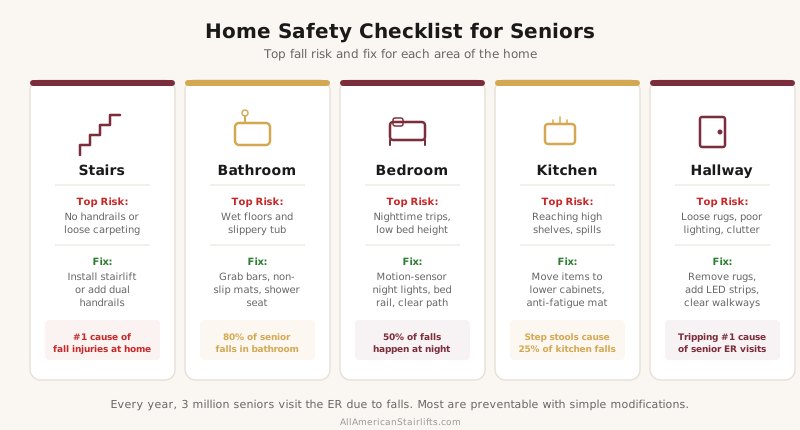
Room-by-Room Fall Hazard Checklist
Falls are the leading cause of injury-related hospital admissions for adults 65+; most hazards take under an hour to fix.
| Room | Common Hazard | Recommended Fix |
|---|---|---|
| Stairs | No handrail on one or both sides; loose carpet treads | Install dual handrails at 34–38 in height; secure or replace worn treads; consider a stairlift for frequent use |
| Bathroom | Slippery wet floor; no grab bars near toilet and tub | Add non-slip mat and suction-cup strips; install ADA-compliant grab bars rated to 250 lb+ |
| Bedroom | Bed too low; loose rugs; poor nighttime lighting | Raise bed to knee height; remove or tape down throw rugs; add a motion-sensor night light |
| Kitchen | Items stored too high or low; wet spills on floor | Move daily items to counter height; place a non-slip mat at the sink; use a reacher for high shelves |
| Hallway | Narrow passage; dim lighting; cords across the path | Keep 36 in clearance; upgrade to 60W-equivalent LED fixtures; route cords along baseboards |
| Entryway | Step or threshold without support; uneven surface | Add a grab bar or handrail at the door; use a threshold ramp; make exterior lighting motion-activated |
How to Use This Checklist
Walk through each room with this page open on your phone or printed out. For each checkpoint, score it:
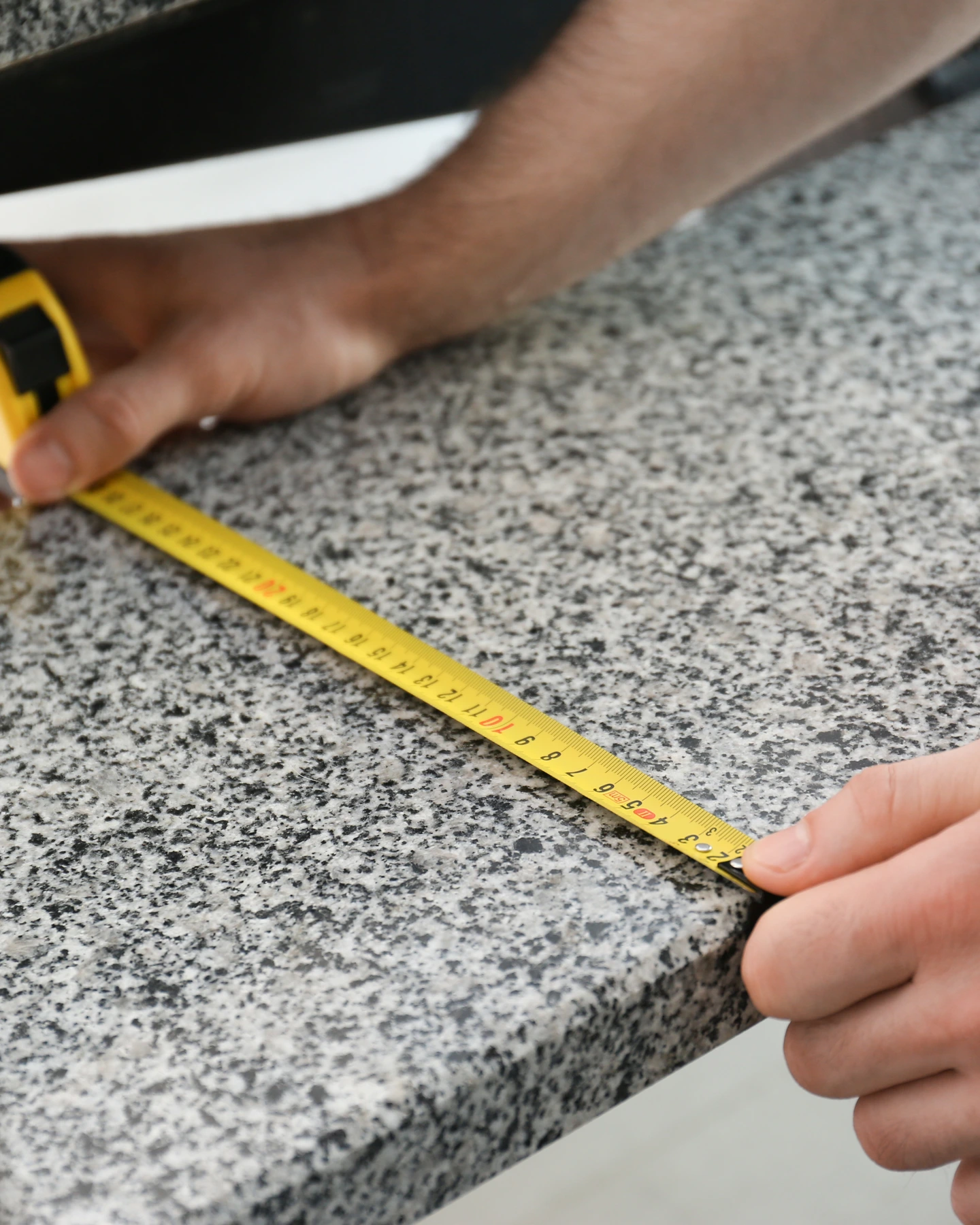
Bring a flashlight, a tape measure, and a notepad. If you are assessing a parent's home, do it during a normal visit — not as a formal "inspection" that makes them feel evaluated.
Stairs and Stairways
Stairs are the single highest-risk zone in a home for seniors. The CDC reports that stairs and steps are involved in over 1 million emergency department visits per year among adults 65 and older.
Handrails
- Handrail on at least one side of every stairway? Both sides strongly recommended for seniors. Code requires handrails on stairs with 4+ risers.
- Handrail continuous from top to bottom? A rail that stops 2 steps from the bottom or has a gap at the landing is not a functional handrail.
- Handrail sturdy? Grab it and pull hard. A wobbly handrail creates a false sense of security worse than no railing at all. RED if loose.
- Handrail graspable? Round profile (1.25-2 in diameter) that fingers can wrap around. A flat board or decorative scrollwork cannot be gripped during a fall. ANSI A117.1 specifies graspable profiles.
- Handrail extends 12 in past top and bottom steps? This extension provides support during flat-to-angled transition. Adding it: $20-$50 hardware project.
Lighting
- Stairway lit to at least 1 foot-candle (11 lux) at center of each tread? IBC Section 1205.4 minimum. If you cannot clearly see the edge of each step from the top, lighting is inadequate.
- Light switches at both top and bottom? Three-way switches are code-required for stairs with 6+ risers. Adding a second switch: $150-$300.
- LED bulbs at 3000-4000K, at least 800 lumens? Avoid warm amber bulbs (2200K) on stairways — they reduce contrast between tread and edge.
- Nightlight or motion-sensor light for overnight trips? A $10-$30 motion-sensor nightlight prevents more falls than almost any other modification.
Tread Surfaces
- Treads non-slip? Bare hardwood, smooth tile, and polished stone are slippery in socks or when wet. Solutions: adhesive tread strips ($15-$30/set), carpet runner ($50-$200), non-skid paint for concrete/metal stairs.
- Consistent step height throughout? Variation greater than 3/8 in between any two risers is a trip hazard per IBC Section 1011.5.4. Measure each riser if you suspect variation.
- Nosing (front edge) clearly visible? Same-color tread and riser make steps hard to distinguish, especially for people with cataracts. Contrasting nosing strips ($10-$20/set). ANSI A117.1 Section 504.5 requires contrasting stripe on leading 2 inches.
Clearance and Clutter
- Stairway clear of objects on every step? Shoes, laundry baskets, pet toys on stairs are responsible for a significant percentage of falls. Install a shelf or basket at top and bottom instead.
- Clear walking width at least 36 inches? A stairlift rail reduces this by 10-12 inches when folded, leaving 22-24 inches on a standard 36-inch staircase.
If you score multiple RED items in the stair section and the person already shows warning signs (gripping both rails, pausing mid-flight, avoiding stairs after dark), the most effective intervention is removing stair climbing from the equation. A stairlift does not fix bad stairs — it makes bad stairs irrelevant. Schedule a free stair assessment.
Bathroom
The second most dangerous room for seniors. Wet surfaces, hard fixtures, small spaces, and bare feet create a concentrated fall zone.
- Grab bar next to the toilet? 33-36 in above floor, rated for 250+ lbs, anchored into wall studs. A towel rack is NOT a grab bar — it will pull out under body weight. Cost: $30-$80 bar + $100-$200 install. RED if missing and person has any balance issue.
- Grab bars in the shower or tub? Two minimum: one vertical at entry, one horizontal along wall. Wall-anchored only — suction-cup bars fail without warning on wet tile.
- Non-slip mat or adhesive strips in tub/shower floor? Textured strips ($10-$15) or rubber mat with suction cups ($15-$25).
- Bathroom floor non-slip? Smooth tile and marble become slick when wet. Bath rug with non-skid rubber backing at tub exit. Remove fluffy decorative mats without rubber backing — they bunch and slide.
- Toilet seat 17-19 in from floor? Standard toilets are 14-15 in. Raised seat ($25-$60 bolt-on) or comfort-height replacement toilet ($200-$400) eliminates deep-squat problem.
- Can the person step over the tub wall safely? Standard tub walls are 14-16 in. Options: tub transfer bench ($40-$80), tub-cut conversion ($300-$500), walk-in shower retrofit ($3,000-$8,000).
- Shower seat or bench? Wall-mounted fold-down ($30-$60) or freestanding bench ($60-$120). YELLOW for anyone over 75 regardless of current ability.
- Hot water below 120 degrees F? Above 120F risks scalding — especially dangerous for diabetes or neuropathy patients. RED if above 130F.
Kitchen
Kitchen falls are typically caused by reaching for high shelves, stepping on wet floors, and tripping over floor-level obstacles.
- Frequently used items between waist and shoulder height? A fall from a step stool onto a hard kitchen floor produces serious injuries. Rearranging cabinets is free and takes 30 minutes.
- Sturdy step stool with handrail for high items? Step stool with grab bar and non-slip treads ($40-$80) — not a chair, not standing on tiptoes.
- Kitchen rugs secured or removed? Throw rugs in front of sink and stove cause more kitchen falls than any other single item. If no rubberized non-slip backing, remove it.
- Fire extinguisher accessible without climbing? Mounted on wall, not on top of refrigerator.
- Stove controls clearly labeled? Worn-off markings lead to wrong-burner activation. Replacement knobs: $5-$15 each. For gas stoves, consider auto shutoff device ($100-$300).
- Microwave at counter height? Over-range microwaves require reaching overhead to remove hot food — spill and reach risk combined.
Bedroom
Most bedroom falls happen during two activities: getting out of bed at night and reaching for nightstand items. The combination of grogginess, darkness, medication effects, and orthostatic hypotension makes the 2am bed-exit one of the highest-risk moments in a senior's day.
- Bed at correct height? Feet should touch floor when sitting on edge, knees at 90 degrees. Too high = jumping down. Too low = struggling to stand. Bed risers ($15-$40) or remove box spring to adjust.
- Clear path from bed to door and bathroom? At least 36 in wide. Free of shoes, cords, pet beds, area rugs, furniture corners. Every obstacle is a trip hazard at 2am after sleep medication.
- Nightlight or motion-sensor between bed and bathroom? Single most effective bedroom modification. Plug-in motion-sensor nightlight ($10-$15) in bedroom and hallway.
- Light switch accessible from bed? If switch is across room, add bedside touch-lamp or wireless remote switch ($15-$30 retrofit kit).
- Phone or emergency alert within arm's reach? If person falls getting out of bed and cannot get up, they need to call for help without crawling.
- Furniture stable enough to lean on? Lightweight nightstands on casters roll away under pressure. Glass-top end tables shatter. All furniture in fall zone should be heavy, stable, non-tipping.
Hallways and Living Areas
- Area rugs secured with non-slip pads or tape? Loose rugs are the #1 trip hazard. Safest option: remove entirely. Otherwise, non-slip pad underneath ($15-$40).
- Floor height changes between rooms smoothed? A 1/2-inch threshold catches shuffling feet. Threshold ramps ($15-$30 rubber wedge). Over 3/4 inch needs contractor evaluation.
- Every walkway at least 36 in wide? Walker needs 28-32 in. Wheelchair needs 32-36 in. Rearranging furniture costs nothing.
- Electrical cords along walls, not across walkways? Use cord covers ($5-$10) to route along baseboards.
- At least one high-seated chair with armrests? Seat height 18-20 in. Deep, low sofas (15 in) are difficult to rise from. Furniture risers ($20-$40) add 3-5 inches.
- Bench or chair near entry door? Eliminates one-legged balancing while putting on shoes ($30-$60 bench).
- Adequate lighting in every room? Aging eyes need 2-3x more light. Swap to 1100-1600 lumen LEDs, add floor lamps in dark corners.
Exterior Entry, Porch, and Garage
Exterior falls carry extra risk: harder landing surfaces (concrete, brick, stone) and help may be farther away.
- Exterior steps in good repair? Cracked concrete, loose bricks, rotting wood are structural fall hazards. RED if wobbling or shifting underfoot.
- Handrail on exterior steps? Many porches have 3-5 steps with no railing. Exterior handrail: $100-$300 installed.
- Walkway even and non-slip? Heaved concrete, tree-root damage, moss-covered flagstone. Concrete grinding ($200-$800) or pressure washing for moss/algae.
- Motion-sensor porch light? $20-$50. Illuminates entry without requiring switch-finding on an unlit porch.
- Deck/porch surface non-slip? Painted wood decks are slick when wet. Non-slip deck coating ($30-$60/gallon) or adhesive strips.
- Porch railing sturdy and 36 in+ high? RED if wobbling, gaps over 4 in between balusters, or missing sections.
- Garage floor free of oil/grease? Absorbent floor mats ($20-$40) at car door zones.
- Garage-to-house step well-lit and marked? One of the most common fall locations. Add motion-sensor light and contrasting strip on step edge.
Scoring Your Results
Home is well-prepared for aging in place. Reassess every 12 months or whenever there is a change in mobility, medication, or vision.
Good baseline. Make a list of YELLOW items, prioritize by effort and cost, address within 30 days. Most YELLOW items are under $100 and under 1 hour of work.
The home has accumulated risks. Schedule a weekend for easy items (rugs, lighting, cabinets). Get quotes for harder ones (grab bars, handrails, step repairs). Any RED items must be fixed before the person uses the space again.
If the stairway has multiple RED items and the person shows warning signs, the conversation should shift from "how do we fix the stairs" to "how do we eliminate stair risk entirely." Schedule a free stairlift assessment.
When to Call a Professional
Frequently Asked Questions
Every 12 months for stable health, and immediately after any change: new medication, a fall or near-miss, a new diagnosis, surgery, or a noticeable change in gait or balance. The home does not change — the person does.
Medicare Part B covers the occupational therapy assessment when ordered by a physician. It does not cover the modifications themselves (grab bars, stairlifts, ramps). Medicaid HCBS waivers in 47 states cover stairlifts and other home modifications for qualifying residents. See our full Medicaid guide.
It depends on the home, but statistically: a motion-sensor nightlight between the bedroom and bathroom. Falls during overnight trips account for a disproportionate share of senior injuries, and a $10-$15 nightlight addresses the root cause (darkness + grogginess + unfamiliar obstacles). For homes with a stair problem, a stairlift is the single highest-impact modification.
Yes. Use your browser's print function (Ctrl+P or Cmd+P) to get a clean printable version. The checklist items are formatted for print with checkboxes you can mark with a pen during the walkthrough.
Ready to Get Started?
Free in-home assessment within 24 hours. No pressure, no obligation.