Stairlifts for Churches & Places of Worship (ADA Guide)
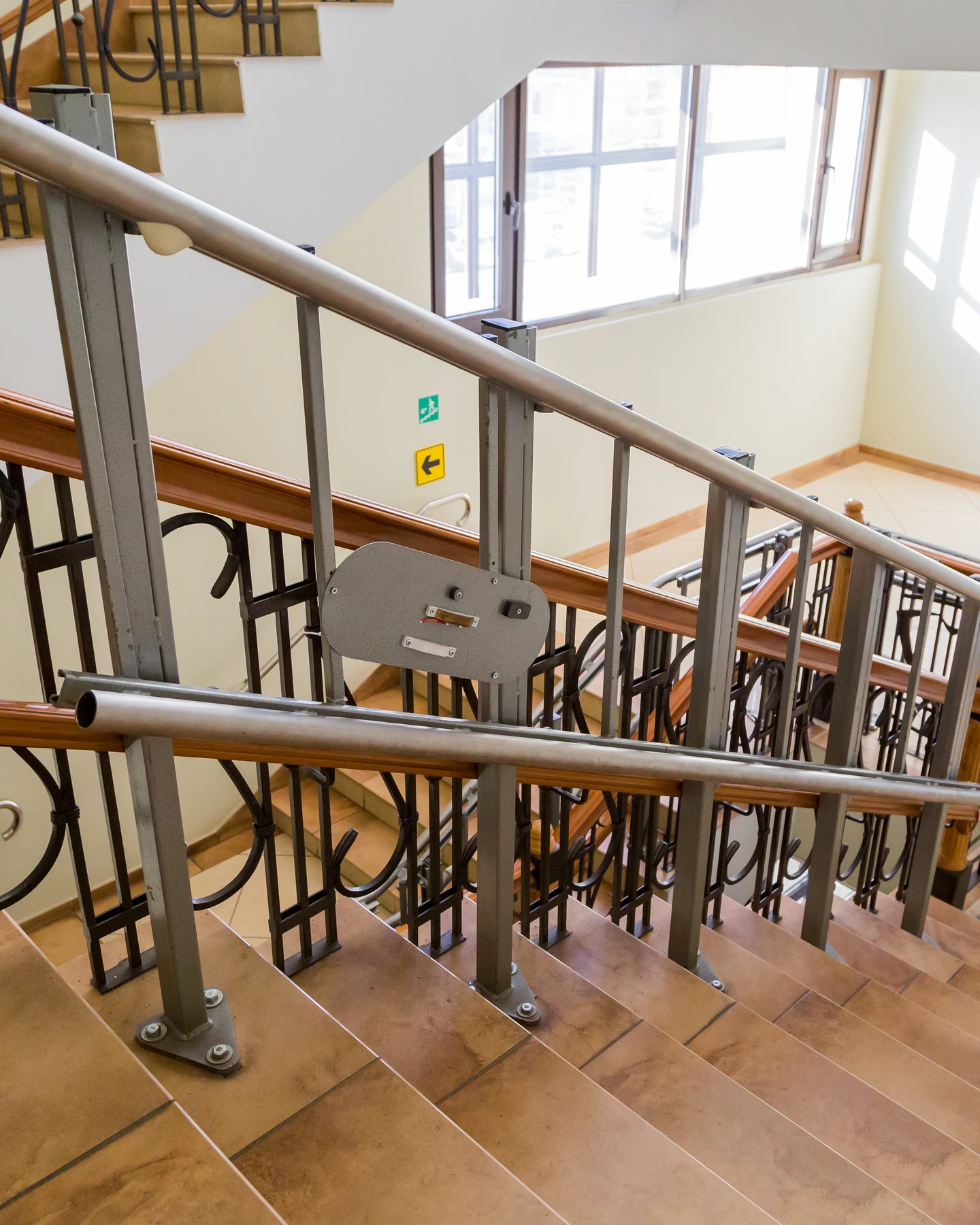
Here is a fact that surprises most congregations: churches are legally exempt from ADA Title III. That exemption does not mean accessibility is optional -- it means the decision to include every member of your congregation is yours, not the government's. About 40% of regular churchgoers are over 60. When the sanctuary is upstairs and the fellowship hall is downstairs, those members stop coming.
The ADA Exemption: What It Actually Means
Religious entities are completely exempt from ADA Title III (42 U.S.C. 12187). This covers all facilities, programs, and activities -- religious and secular alike. But state building codes, fire codes, and local ordinances may still impose accessibility requirements.
The exemption exists because Congress determined that regulating internal operations of religious organizations raises First Amendment concerns. It has survived every legal challenge.
What the exemption does not do is override state and local law. If your city's building code requires accessible entrances in assembly occupancies, that code applies regardless of ADA status.
The practical takeaway: your church has no federal ADA obligation. But you almost certainly have a moral one.
When ADA Does Apply to Your Building
Three scenarios pull a church building partially back under ADA:
Accessibility Options: Stairlifts, Platform Lifts, Ramps, Elevators
| Option | Cost | ADA Compliant | Wheelchair Access | Install Time |
|---|---|---|---|---|
| Stairlift | $2,500-$15,000 | No | No (requires transfer) | 1 day or less |
| Inclined platform lift | $8,000-$20,000 | Yes (ASME A18.1) | Yes (30"x48" min platform) | 1-2 days |
| Ramp | $100-$200/linear ft | Yes (1:12 slope) | Yes | 1-3 days |
| LULA elevator | $25,000-$55,000 | Yes | Yes | 2-4 weeks |
| Commercial elevator | $40,000-$150,000 | Yes | Yes | 4-8 weeks |
Choosing the Right Equipment
The decision tree is straightforward. Ask two questions: Does anyone in the congregation use a wheelchair? Does the building host non-religious public functions?
All users are ambulatory (can walk but not climb safely), budget is under $6,000, ADA compliance is not required, staircase is narrow (under 30"), and speed of installation matters (same day).
Any user requires a wheelchair, ADA compliance is required or desired, budget can accommodate $8,000-$20,000, staircase is 36"+ with adequate headroom, and building serves public functions beyond worship.
Many churches start with a stairlift for immediate relief and budget for a platform lift as a second phase. That phased approach is reasonable, provided the congregation understands the stairlift is a partial solution.
Historic Church Preservation
Many churches that need accessibility most urgently are also where installation is most sensitive -- stone sanctuaries from the 1800s, wooden frame churches on the National Register.
- Inclined platform lifts: preferred for historic stairwells. Rail attaches with minimal penetration, platform folds flat, removal restores original condition.
- Exterior ramps: constructed of period-compatible materials (stone, brick, wrought iron).
- LULA elevators in additions: adjacent tower connected by corridor preserves interior completely.
- Do NOT cut into historic stone/masonry for a shaft. Do NOT remove original staircases.
Funding Accessibility: 7 Paths That Work
United Methodist General Board of Global Ministries, Episcopal United Thank Offering, ELCA Mission Investment Fund, Presbyterian Self-Development of People. Start with your regional judicatory office.
Community Development Block Grant funds for community-serving buildings. Eligibility typically requires the building serve a public function beyond worship -- food pantry, community meeting space, after-school program.
Kresge Foundation, Robert Wood Johnson Foundation, community foundations. Search Foundation Directory Online or Candid.org for funders in your state with accessibility focus.
Congregations of 100-200 members have raised $10,000-$25,000 in 60-90 days when the need is presented clearly and the fund is restricted to the stated purpose.
"The [Name] Accessibility Fund" gives families a tangible way to honor someone who may have struggled with the very stairs you are now making accessible.
Home health agencies, assisted living facilities, medical supply companies. The business gets a charitable deduction and community visibility.
$12,000 platform lift financed over 36 months = ~$350-$400/month. Combine partial fundraising with financing to close the gap.
Tax-Exempt Purchasing
Most states exempt 501(c)(3) purchases from sales tax. For a $15,000 platform lift in a 7% state, that saves $1,050. Ask your supplier to confirm your tax-exempt status is reflected in the quote.
Note: Section 44 Disabled Access Credit and Section 190 deduction are for-profit only -- churches cannot claim them. But donors who fund the project can deduct their contributions.
Frequently Asked Questions
No. Religious entities are completely exempt from ADA Title III. However, state/local building codes may impose separate requirements, and spaces leased to secular tenants may trigger ADA for those specific areas.
A stairlift is a motorized seat -- rider must transfer from a wheelchair, making it non-ADA-compliant. A platform lift is a flat platform (min 30x48") that carries a wheelchair user, meeting ADA requirements per ASME A18.1. Cost: stairlift $2,500-$5,500 vs platform $8,000-$20,000.
Not if done correctly. Platform lifts mount with minimal penetration -- removal restores the stairwell with minor patching. Stairlifts leave small filled holes. Neither requires cutting into stone, masonry, or character-defining features.
Ready to Get Started?
Free in-home assessment within 24 hours. No pressure, no obligation.